
Logistics
Courier Last-Mile Brands
Courier last-mile franchises in South Africa run on local knowledge, tight route control and practical operations. Expect hands-on management and close attention to territory, staff and vehicle planning.
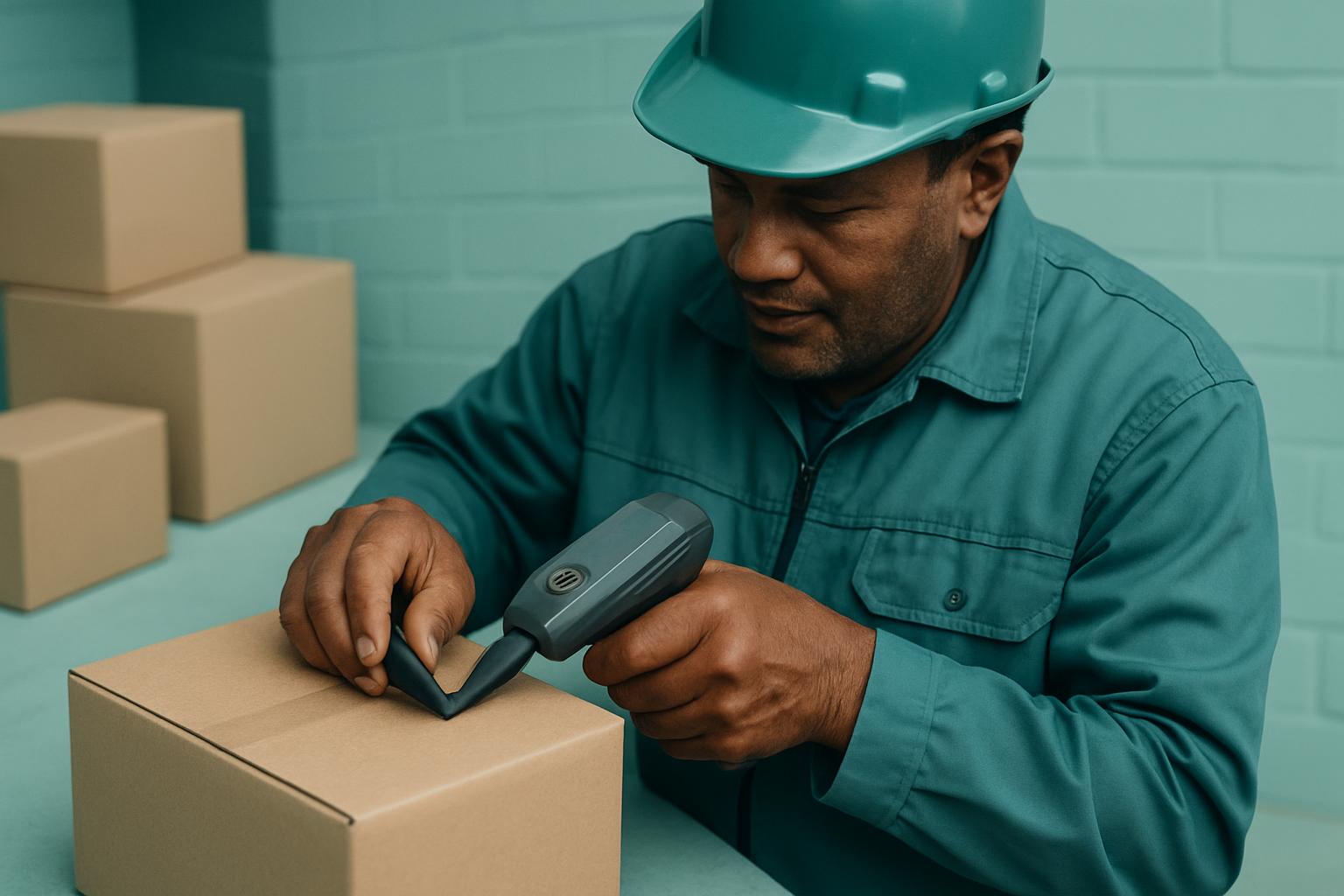
How courier last-mile franchises operate
Most courier last-mile franchises require a depot base, often a small warehouse or a secure bay, where parcels are sorted and loaded for local delivery. Some models use dedicated delivery vehicles owned or leased by the franchisee, while others rely on independent drivers or owner-operators who come to collect parcels for their routes.
Franchisees often manage booking systems, track deliveries, oversee the shift handover, and deal directly with customer queries. Real delivery windows depend on local traffic, weather, and the reliability of vehicle partners. Staff roles may include loaders, administrative support and route controllers, with ordinary working hours often stretching into early evenings or weekends during high-volume periods.
What to compare between courier brands
Franchisors differ in their territory rules, fee structures and support. Some provide central call centre backup and real-time parcel tracking software, while others place more responsibility for client service and route planning on the franchisee.
Renewal terms, exclusivity of delivery areas, and supply conditions for uniforms, scanners or driver training are not the same across brands. Review how disputes are handled and whether you have to use pre-approved vendors for vehicle branding, insurance or tech platforms.
- Territory size and exclusivity
- Monthly fees and variable charges
- Support and training for staff
- Depot setup and approved equipment
- IT systems for booking and tracking
- Renewal and resale conditions
What disclosure documents must cover
The Consumer Protection Act requires a signed, dated disclosure document at least 14 days before you sign a franchise agreement. This document must show the number of outlets, recent growth and turnover, and include a solvency statement. Check for a full list of current franchisees (with their contact details) and projections with clear assumptions.
Regulation 3 also requires a franchisor to share an organogram of their support system, along with an auditor’s or accounting officer’s certificate. Take time to contact a few listed franchisees before deciding. The franchise agreement must state your right to cancel within 10 business days after signing, on the first page.
Red flags and costs to check
Check that the franchise agreement gives you 10 business days after signing to cancel without cost by written notice, and that the franchisor gives you the full disclosure document required by the regulations at least 14 days before signing. Question any unexplained variable fees, or territory boundaries that are vague or overlap with other outlets.
Back-up power for depot fridges or IT is seldom optional, so include this as a cost line. Budget for PrDPs for drivers of vehicles over 3,500 kg. If the model relies on casuals or outsourced drivers, confirm they meet minimum wage and contract terms under the Basic Conditions of Employment Act.
What our Franchise Advisory customers say
Verified Google reviews
Send your courier model questions
Send us your questions about capital, vehicle types, delivery volumes or territory sizes. We help you compare disclosure documents and franchise agreements for local last-mile brands.