
Mbombela belt
Mpumalanga Lowveld
Mbombela and the Lowveld pulse with school run traffic, tourist peaks and farm paydays. Each trade catchment runs on its own rhythm shaped by season, routes and local ties.
How trade patterns run in the Lowveld
Mbombela, White River and Barberton act as linked trade points, each with its own mix of local customers, tourist surges and school timetables. Weekends, public holidays and farm or mine paydays spike the trade flow in sectors like retail, food and services. School runs and commuter traffic shape slow and busy periods, often more sharply than in bigger metros.
Wages tend to follow the national minimum, with seasonal or casual work common in retail and food outlets closer to tourist spots. Rentals are steadier in the main malls but can swing sharply for sites on high-traffic routes or near schools and hospitals. Landlords sometimes offer high incentives for anchor tenants, but small operators face strict trading hour expectations, especially in larger centres.
Franchise categories that fit or falter
Food service brands with flexible menus, retail with strong convenience or local ties, and health or home services often do well if they time offers with tourist and payday cycles. Automotive, logistics and B2B services work best when the catchment includes farms, packhouses or mining depots, along with town centres.
High-spec niche retail or specialist fitness brands may struggle unless the site reliably draws higher-income tourists or local groups. Pure city-style brands that rely on dense, walk-in trade from office blocks or all-week commuters tend to underperform here. Seasonal planning and local partnerships help buffer quiet periods.
What to check on a site walk
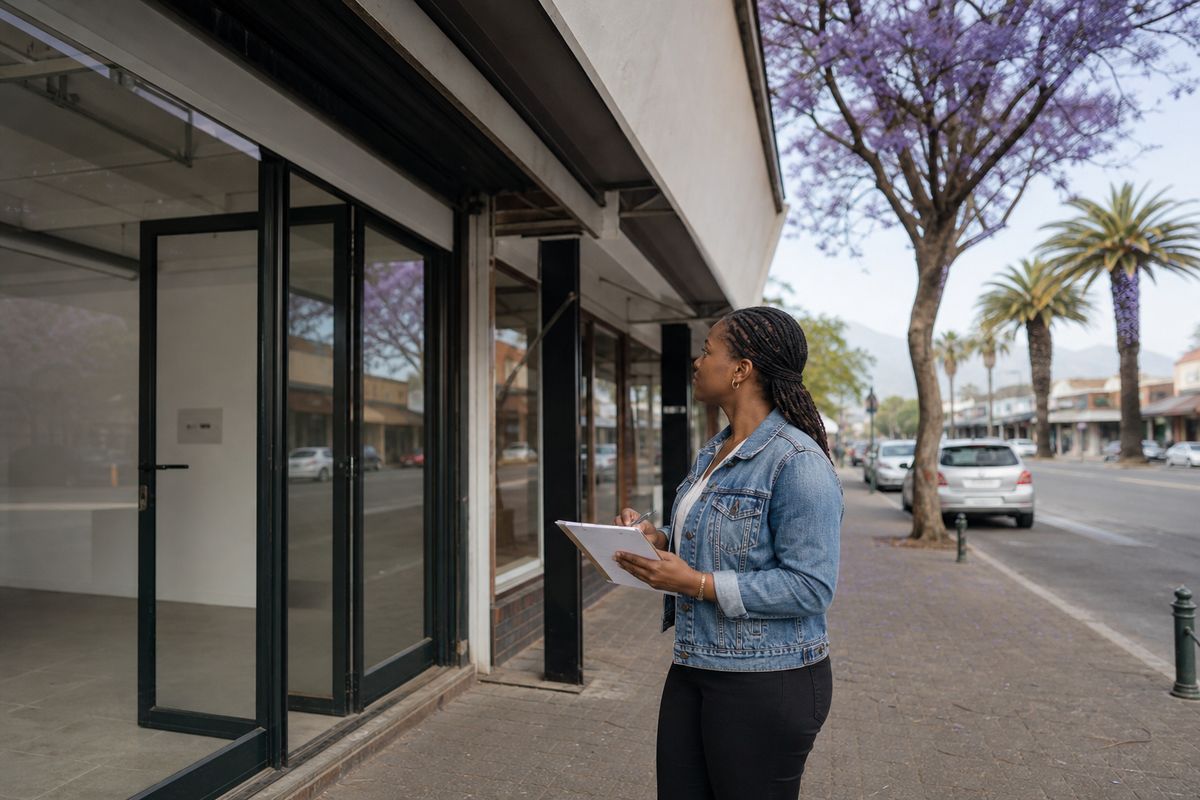
When reviewing Lowveld sites, include local traffic patterns and seasonal trade on top of what is shown in the lease layout. The physical catchment can change with rain, school holidays or even roadworks. Walk or drive the area at the time you expect peak trade. Speak to neighbouring tenants and check parking, visibility and after-dark access.
Take note of how people move between suburbs, taxi ranks, schools and clinics. The real catchment may not match the landlord’s map, especially where feeder roads or traffic queues cause bottlenecks.
- Who passes by at different times
- Distance from schools or commuter stops
- Parking, security and lighting after dark
- Visibility from main roads or taxi routes
- Nearby competitors or informal traders
Contract and exclusivity points that shift
Catchment areas in Mbombela franchise contracts are frequently set out as postal codes, named suburbs or a distance around your site. Check whether 'exclusive area' means no rival brand, or only no direct competitor, and whether the franchisor can open in malls or fuel stations nearby.
In key Lowveld towns, shopping centre landlords can set longer minimum trading hours than your franchise manual expects, and may restrict how you adjust shopfront signage. Negotiate for flexibility around seasonal hours and review any special clauses on mall events or tourist trade. Always check if the agreement addresses local public holiday peaks and school terms.
How Franchase guides your territory review
Our Fit Finder and Numbers & Notes sessions map your experience, capital and working hours against Lowveld category paths. We compare field notes from similar sites, clarify exclusive area clauses and flag landlord requirements you may face in Mbombela or along the White River belt.
With a site walk, we help weigh real footfall, check the seasonality of the catchment and prepare your questions for the franchisor before you sign. If you need a territory playbook or field guide for the Lowveld, send us your address and timing for practical input.
What our Franchise Advisory customers say
Verified Google reviews
Ask us about site catchments
Tell Mr Hemant Singh about your site in the Lowveld, your business idea, and any lease points or exclusivity issues. We help you weigh catchments, periods and competitor risks before you sign.