
Bloem & corridor
Free State Nodes
Free State Nodes means thinking beyond city limits and traditional franchise circles. Territories stretch along the N1 and require a travel-based approach to setting boundaries and managing operations.
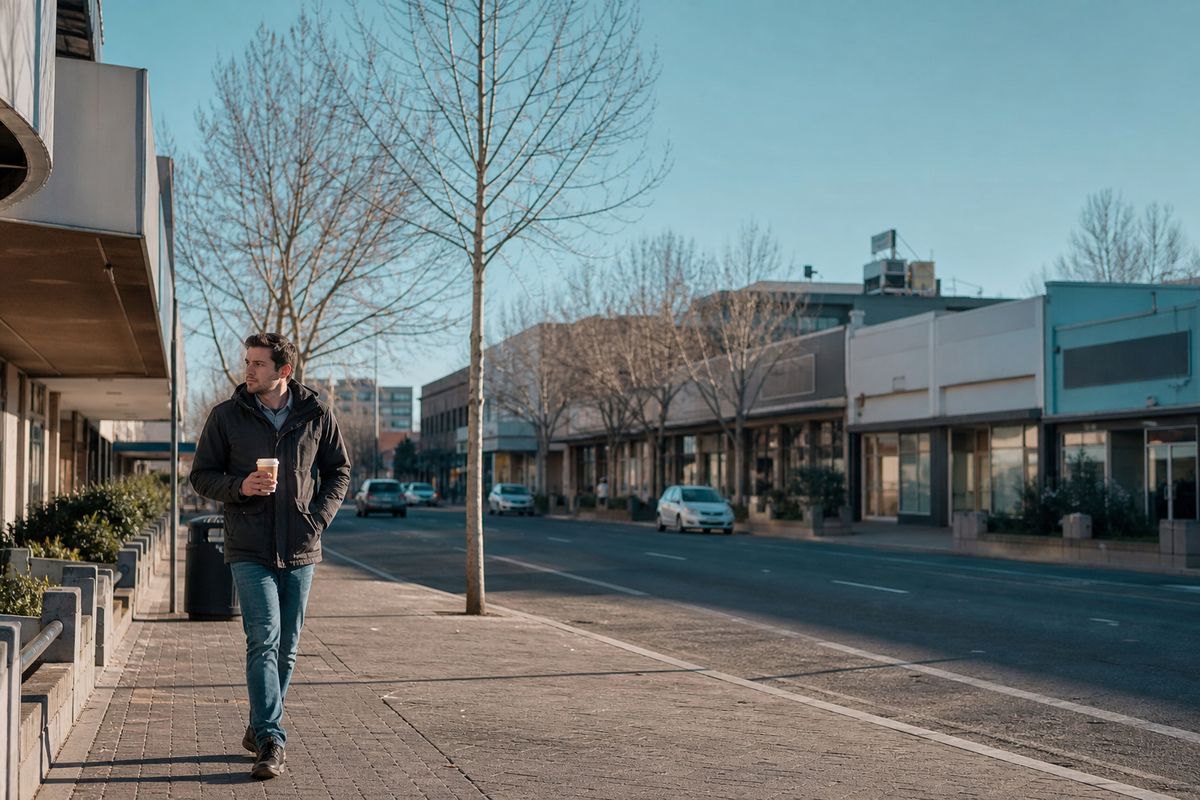
Trade in Free State corridor nodes
Catchment areas in the Free State rarely follow a tidy radius. Towns like Bloemfontein, Kroonstad, Welkom and Smithfield serve wide rural and corridor populations. Customers often travel in from outlying areas for shopping and services, especially around paydays, school terms and public holidays.
Foot traffic can drop sharply during university breaks or large farm events, and spikes often follow regional sport fixtures or mining pay cycles. Rentals vary widely: Bloemfontein’s main centres command higher rates, while towns strung along the N1 or N8 usually have lower base rentals but higher logistics costs. National minimum wage applies, but extra travel allowances for staff or overnight stays are common, especially in remote nodes.
Which franchise fits and which struggle
Automotive, logistics, home services, health clinics and specialty retail often work well in these corridor nodes, as customers are used to travelling in for scheduled visits or urgent needs. Franchise paths like Automotive, Logistics, Home Services and Health & Wellness are all active here.
Food service can work near busy truck stops, malls or in central Bloemfontein, but margins depend on reliable local catchment and effective staff transport. Quick-serve, beauty and most walk-in retail struggle outside the larger towns, as impulse trade is weaker and daily footfall is unpredictable.
What to check on a Free State site walk
Site walks here are about more than measuring floorspace. Local travel times, parking, signage visibility from highways and access for large vehicles are all critical. Check how trade flows into town and whether key services run past your site.
Evaluate staff access and safety for after-hours work. Back-up power is worth asking about if your operation relies on cold rooms or IT systems. Ask the landlord for clarity on escalation clauses, permitted uses and after-hours security.
- Traffic patterns in and out of town
- Parking and truck access
- Visibility from main roads
- Staff transport and overnight safety
- Back-up power for essential equipment
- Landlord terms on use and security
Territory contract points that shift here
Franchise agreements for Free State nodes often define territory by listing specific towns or corridors, or by stating a radius. Ask for clear boundaries, N1 catchments, specific postcodes or municipal zones all need careful wording.
Check for rival outlet clauses both along the main corridor and inside the town limits. Landlord terms may be stricter on signage, trading hours and subletting. For food or logistics, confirm local licensing and main vendor contract terms. South Africa’s Consumer Protection Act gives you the right to cancel the franchise agreement without cost or penalty within 10 business days after signing by written notice. This right must be stated on the first page of the agreement.
How we help with Free State territory walks
Our Numbers & Notes pack highlights working capital lines for multi-town travel, staff allowances and regional rental patterns. The Fit Finder session checks whether your experience and resources suit a dispersed territory.
Mr Hemant Singh joins for territory site walks and helps you draw practical catchment lines, review landlord rules and document trade flows. We guide your questions for both franchisors and landlords, and can help you compare Free State corridor nodes with other territory types.
What our Franchise Advisory customers say
Verified Google reviews
Plan your Free State territory
Share your main locations, typical travel routine and available capital with Ms Siphokazi Mbanjwa. Our team can work with you to look at trade flows and assess possible locations across Free State Nodes.