
Coastal trade
Cape Metro
Franchising in the Cape Town metro means working with shifting foot traffic, weather patterns and tourist swings. You must plan for sharp season changes and local commuting habits.
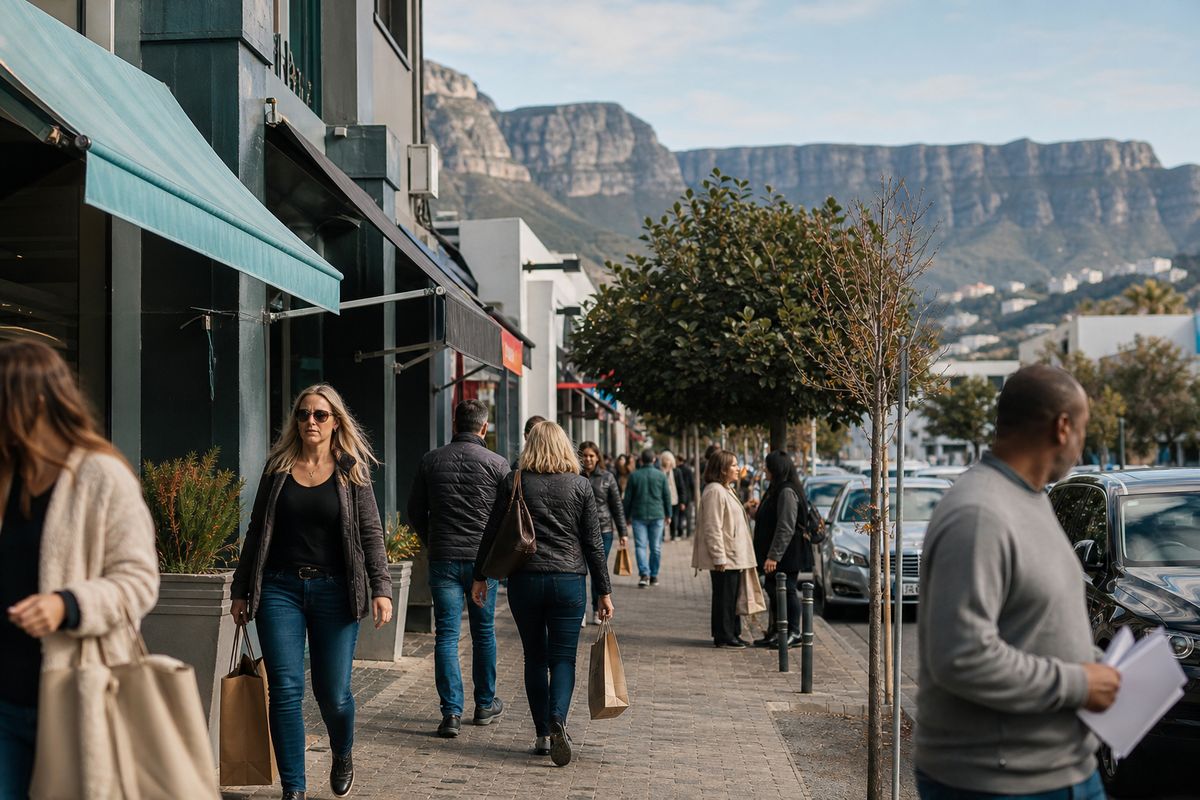
How trade patterns shape success
The Cape Metro covers the City Bowl, Atlantic Seaboard, Southern Suburbs, Tyger Valley, Canal Walk, and parts of the northern corridor toward Table View. Trade is shaped by Cape Town’s weather swings, commuter flows, and strong tourist phases. The city centre, V&A Waterfront and Canal Walk see high foot traffic in summer, but after April the numbers drop sharply, especially in non-central suburbs.
Rental in busy malls and main street sections is often expensive, and staff must be paid at least the national minimum wage of R30.23 per ordinary hour. Staff numbers often climb in peak seasons and thin in winter. Vehicle access, parking, and wind-prone locations all need planning, as a drop in visitors can stretch your working capital if you expect flat trade year-round.
Which franchise types fit the metro
Food service, health and beauty, retail and child-focused brands often find the Cape Metro rewarding if they match their staffing and hours to season flow. Travel, tours and pet care can do well near the V&A Waterfront, Green Point, or Tyger Valley, where locals mix with tourists. Home services and B2B franchises must focus on local networking and respond quickly to suburbs’ weekday rhythms.
Franchises that rely heavily on stable, high footfall all year or need a captive local market struggle here. Absentee-ownership models, or those that require consistent trade right through winter, can find Cape seasonality crushing. Some franchise models built for inland malls may not translate to the street-level, weather-driven Cape trade.
What to check on your site walk
Site visits in Cape Town need to be timed for different seasons and weather. Watch real foot traffic during both peak and slow periods. Some areas are wind-battered or catch morning fog, which cuts passing trade.
Check travel patterns: main road access, morning and evening congestion, parking shortages, school drop-off surges, and how offices and residential blocks fill up or empty out. Ask nearby tenants about changes in shopper numbers and sales before you rely only on the letting agent.
- Foot traffic in summer and winter
- Effect of wind, rain and fog on trade
- Parking and access at busy hours
- Nearby school and office flows
- Competition within walking range
- Actual rent escalation terms
Contracts and territory points to flag
In Cape Metro, franchise agreements often set exclusive areas using main roads or specific suburbs, instead of a set distance from the site. Ask what happens if a rival franchise opens in a neighbouring mall or shopping centre. Check the agreement’s map and wording for overlap.
Many Cape Town landlords offer short leases and include annual rental increases based on the Consumer Price Index. Some require backup power in mall kitchens or cold rooms, which is a cost to note in your capital plan. Review the Consumer Protection Act: you can cancel a new franchise agreement without penalty within 10 business days after signing, and the agreement must state this clearly.
How we help plan your territory
We use local fit checks and capital notes for each category, based on your experience, budget and hours. Our Numbers & Notes service compares working capital and territory risk for Cape sites, using real season swings and area-specific costs.
We walk the territory with you, using our Cape Metro playbook to flag catchment traps, landlord quirks and support gaps. Send us your shortlisted locations, and we’ll help build the right questions for your franchisor before you sign.
What our Franchise Advisory customers say
Verified Google reviews
Talk Cape Metro territory with us
When weighing up locations in Century City, Tyger Valley or Cape Town, share your top questions and key site information with our team. We can walk through your territory plan together.